







UK Lords Report Backs Comprehensive Gambling Advertising Ban
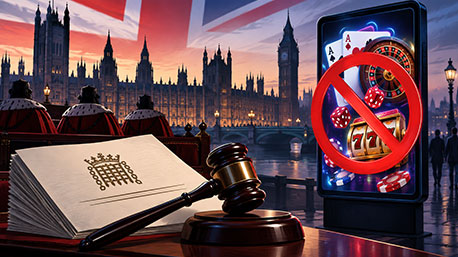
A House of Lords committee has renewed calls for major restrictions on gambling promotion in Great Britain, recommending a comprehensive advertising ban as part of a broader public-health response to gambling-related harm. The proposal forms part of Gambling Harm - Time for Action: Follow-up report, released on September 17, 2026, six years after an earlier parliamentary examination of the gambling sector’s social and economic impact.
The cross-party committee estimates that problem gambling may affect between 1.0 million and 1.5 million adults across Great Britain. Other figures referenced alongside the report indicate that approximately 2.4% of people aged 18 and over fall within this category.
According to the committee, harmful gambling can affect household finances and personal relationships. It associated problem gambling with reduced spending on everyday necessities, the use of savings or borrowed money and dishonesty toward relatives. The report also highlighted connections with mental ill health and, in severe cases, suicide.
Against that background, the committee argues “that a comprehensive ban on gambling advertising represents the most effective policy option to advance meaningfully the Government’s aim of reducing gambling harms and represents a vital part of a public health approach.”
Advertising Expansion Draws Renewed Scrutiny
The report places much of its focus on how gambling promotion has changed since the Gambling Act 2005 liberalised advertising rules. Before those changes, television and radio gambling advertisements largely covered bingo, football pools, the National Lottery and other authorised lotteries.
Advertising activity expanded considerably after the legislation took effect. The committee said gambling companies now spend more than £1 billion annually on advertising. Additional material cited an estimate from the World Advertising Research Center that put UK gambling operators’ advertising expenditure at £2 billion during the previous year.
Evidence submitted to the committee also examined whether increased advertising exposure affects gambling behaviour. Dr. Raffaello Rossi said the “evidence base is incredibly clear on the link between gambling advertising and participation.”
Research involving football audiences found that viewers exposed to gambling promotions during World Cup matches were between 22% and 33% more likely to place bets. Dr. Matt Gaskell also referred to research indicating that advertising can contribute to higher gambling frequency and increased expenditure.
The committee acknowledged that researchers cannot establish a direct causal link in every individual situation. It nevertheless concluded that existing evidence connecting advertising exposure with greater participation provides sufficient grounds for stronger regulatory measures.
The report also examined newer forms of digital promotion and criticised earlier government responses to their growth. In particular, the committee raised concerns about content marketing that can make promotional material resemble editorial content and may have a strong appeal to children.
Gambling Industry Opposes Blanket Restrictions
The Betting and Gaming Council has rejected the case for a comprehensive advertising prohibition. The industry organisation says licensed gambling companies already apply voluntary restrictions and argues that a blanket ban could weaken regulated businesses while creating opportunities for unlicensed operators.
BGC chief executive Grainne Hurst said members had cut advertising spending and committed 20% of advertising space to responsible gambling messaging. Operators have also adopted voluntary limits involving advertising around live sport.
Hurst said: “A blanket advertising ban would remove a key competitive advantage of being licensed and regulated while doing nothing to stop illegal operators targeting British consumers.”
The debate comes during a period of job reductions at several large gambling businesses. Entain announced plans to eliminate 400 positions, while bet365 disclosed 340 job cuts, representing around 3% of its UK workforce. The BGC has linked approximately 4,500 job losses across the industry to tax increases contained in the previous UK budget, with online casino operations among the areas affected.
The House of Lords committee challenged claims that substantial numbers of gamblers would move to illegal platforms following tighter advertising restrictions. It said available evidence did not support assertions of widespread migration to the unregulated market. The report maintained that concerns over illegal gambling should not prevent policymakers from addressing harm associated with licensed operators.
Jim Curry of the Better Gaming Show took a different position on the proposed restrictions. “In everything, I like to see a balance; otherwise, it just drives gambling underground and into the black market, where there’s no protection at all,” he said.
He added: “I believe in tighter restrictions on advertising on things like bonuses and promotions/enticements, but a blanket ban on advertising and sponsorship goes too far.”
Economic Effects and International Evidence Examined
The committee also considered how reduced gambling participation could affect the wider economy. It accepted that an advertising prohibition would be “highly likely” to produce “a negative net impact on the sector.” At the same time, the report argued that lower levels of problem gambling could reduce related economic costs and shift some household expenditure toward other parts of the economy.
Lord Foster of Bath referred to research from the Sheffield Centre for Health and Related Research when addressing the potential economic consequences of lower gambling spending.
He said: “There are clear health and economic benefits to reducing participation in gambling, with a recent study by the Sheffield Centre for Health and Related Research estimating that a 10% reduction in spending on gambling could lead to an increase in GVA of £1.25 billion and create over 22,000 jobs.”
The report also considered measures introduced in other European markets. The Netherlands prohibited gambling advertising on television and radio in 2023 before later tightening rules covering sports sponsorship. Operators recorded an immediate 35% decline in new player registrations following the advertising ban.
Dutch regulatory authorities have since reported an increase in gambling through unlicensed websites. They have also said the restrictions reduced advertising exposure among young adults and vulnerable groups.
The UK committee proposed some exceptions if the Government moves forward with a comprehensive prohibition. It recommended allowing on-course betting advertising at horseracing and greyhound racing events, repeating the approach outlined in its 2020 inquiry.
The committee also called fora separate assessment of the potential risks connected with lottery advertising before determining whether lottery promotions should fall under a wider ban.
Should the Government decide against a comprehensive prohibition, the report proposes additional advertising controls that could strengthen the existing regulatory framework. It also outlines measures that could operate during any transition toward stricter rules.
The recommendations arrive after other significant changes to British gambling policy. These include the Government’s 2023 White Paper and the introduction of a statutory levy supporting research, prevention and treatment. The Government will now consider the committee’s findings and determine whether to implement the proposed advertising measures.
Source:
"Lords Report Calls for UK Gambling Ad Ban", lcb.org, September 20, 2026