









New Zealand to Launch Online Casino Licensing in July 2026
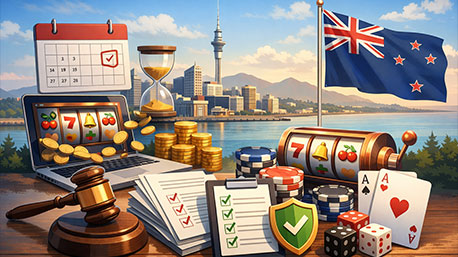
New Zealand is preparing to launch a regulated online casino sector, with plans to begin issuing licenses in July 2026. The move comes as the government aims to tighten oversight over an area that has largely operated beyond domestic regulation. Under the new framework, the participation of licensed operators will be strictly controlled, and authorities are working to address the significant outflow of funds to overseas gambling operators, which is estimated at NZ$750 million annually.
The Department of Internal Affairs (DIA) has laid out a schedule for the launch of the licensing process, which is contingent on the passage of the Online Casino Gambling Bill. The bill, which completed its first reading in July 2025, is expected to undergo further parliamentary scrutiny before it becomes law later this year. Once enacted, the bill will create a structured process for granting licenses to operators who wish to enter the online casino market.
Timeline and Licensing Process
The licensing process will unfold in three stages, beginning with an expression-of-interest phase. Operators will be invited to submit their interest in joining the market once the legislation takes effect. This initial submission period will last between one to two months. After this, the government will conduct an auction, where qualified operators will compete for one of the available licenses. This stage is anticipated to last up to two months.
Once the auction concludes, operators who secure licenses will move to the final stage, where they will need to submit detailed documentation that proves their ability to comply with the regulatory standards. The DIA will review factors such as financial stability, consumer protection protocols, and operational compliance before granting licenses.
A cap of 15 licenses will be imposed, with each successful applicant receiving a license valid for up to three years. To maintain access to the market, operators must continue to meet the country’s regulatory requirements. Starting December 1, 2026, any operator conducting online casino gambling without a valid license will face penalties, including fines of up to NZ$5 million and orders to exit the market.
Funding Debate and Responsible Gambling Initiatives
The introduction of the new legislation has sparked debate, particularly from sports organizations concerned about potential impacts on community funding linked to gambling revenue. In response, the government has incorporated a provision requiring online casino operators to contribute 4% of their gross gaming revenue to community funding programs. This initiative is projected to generate between NZ$10 million and NZ$20 million in its first year.
Player protection and harm reduction measures are also central to the proposed framework. Data from the New Zealand Gambling Survey 2023/24 reveals that participation in offshore gambling is particularly high among younger men and certain ethnic groups. To mitigate risks, the legislation includes safeguards such as mandatory age verification and restrictions on advertising aimed at children.
Addressing Offshore Challenges and Strengthening Oversight
As the regulatory framework is being finalized, enforcement bodies have already begun ramping up efforts to address the challenges posed by offshore operators. New Zealand’s Racing Integrity Board (RIB) has increased its monitoring activity, especially as the country prepares to roll out the Online Casino Gambling Act.
RIB Chief Executive Dr. Eliot Forbes emphasized the need for greater awareness of the overlap between online casino-style gambling and racing wagering. He explained that “the New Zealand Government’s intention to grant online gaming licenses reinforces the need for officials, regulators and policy-makers to be well informed about the crossover between these products and the integrity risks that can arise from both.”
Despite a restriction in place that grants exclusive rights to TAB NZ for racing and sports betting, international wagering continues to play a major role in the New Zealand market. The RIB has highlighted that only about one-third of total Australasian betting on New Zealand racing events is domestically sourced. The organization has expressed particular concern over cryptocurrency-based gambling platforms, which are licensed in jurisdictions with less stringent oversight, such as Curaçao, Anjouan, and Costa Rica. These operators avoid many regulatory obligations and could pose significant risks to the integrity of the local market.
Enhanced Monitoring and International Cooperation
In light of these challenges, New Zealand regulators are intensifying their efforts to monitor offshore betting activity, particularly those involving cryptocurrency platforms. Authorities are also seeking to strengthen cooperation with international regulators to better identify and combat illegal gambling activities targeting New Zealand players.
Forbes has called for a broader strategy to safeguard the integrity of the online gambling environment, noting that “the task ahead requires more sophisticated automated online monitoring, sharper intelligence, deeper cooperation and fresh strategies.”
As New Zealand moves closer to launching its online casino licensing system, the new regulatory framework is expected to reshape the country’s approach to online gambling. The government aims to bring order to a market that has long operated outside of domestic control while ensuring that operators meet strict requirements for consumer protection, financial stability, and compliance.
Source:
New Zealand Prepares July Launch for Online Casino Licences, casinonewsdaily.com, March 4, 2026