








Live Dealer Casino Payments Become a Bigger Review Factor In 2026
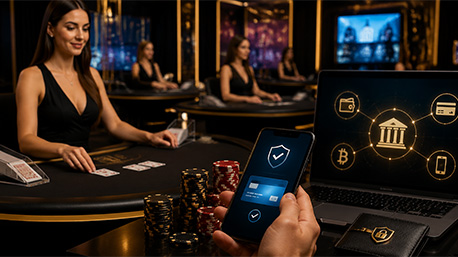
Online casino payment updates rarely feel like front-page material, but they become more relevant when they sit beside live dealer growth. Players now move from social posts to casino pages to streamed tables, so account questions have to be answered early: which deposit routes are available, how familiar they feel, and whether the setup matches the pace of real-time play.
A Clearer First Step
That behavior is close to the way people judge other live digital services. A 2024 PLOS ONE article on live-streaming interaction examined how streamer, platform, and viewer interaction can affect social presence and trust in a live commerce setting. Casino tables are a different product, but the habit is familiar. People watch a live feed, read visible cues, wait for confirmation, and decide whether the experience feels clear enough to keep using.
That is the practical setting for a live dealer casino online game page. Live blackjack, live roulette, live baccarat, and Super 6 all ask the player to follow action as it happens. HD video, audio, chat, table statistics, mobile access, and real-time dealer action support that pace. Before a round begins, payment choice becomes part of the same first impression because the player wants a direct path from interest to table play.
A recent Instagram post from Cafe Casino shows the same expectation in a concise way. The “Pay In More Ways” update places Bitcoin, Ethereum, Bitcoin Cash, Litecoin, Tether, Mastercard, and Visa together, so the payment range is visible before a player starts reading account details. The post speaks to card users and crypto users, which reflects how casino banking is being presented in 2026: easier to see, easier to compare, and closer to the games people are likely to try first.
Why It Matters for Live Tables
Live dealer products make payment clarity more useful because the format has its own timing. A player joins a table, watches the dealer complete the action, sees the result settle, and then decides whether to stay for the next round. When payment information is scattered or unclear, the first session can feel slower before the streamed part even begins.
That point becomes sharper on mobile. A player opening live blackjack or baccarat from a phone is already working with a smaller screen, a faster decision window, and the expectation that account steps should not interrupt the session. Clear deposit choices reduce one early source of hesitation. The player can check the available route, fund the account, and focus on the table, rather than searching through support pages.
Cards still carry the comfort of recognition. Mastercard and Visa are familiar to players who want a direct deposit method without thinking about wallets, coins, or digital asset balances. Their presence keeps the experience accessible for users who prefer conventional payment habits while still exploring a live casino section.
Crypto serves another type of player. Someone who already holds Bitcoin, Ethereum, Litecoin, Bitcoin Cash, or Tether may prefer to keep casino deposits inside that existing routine. Tether adds a stablecoin option for users who treat it differently from more volatile crypto assets. The basic question is simple: does the casino accept the method the player already trusts?
The stronger product message comes from placing those options together. Card users and crypto users are not being sent toward different live dealer experiences. They are looking at the same streamed tables, the same mobile access, and the same dealer-led play. The payment method changes the way in, while live product remains the destination.
What Reviewers Should Watch
For many readers, this gives payment support a sharper role in casino evaluation. Live dealer quality is still judged through table range, stream consistency, dealer professionalism, mobile behavior, and the way results are displayed. Deposit access now belongs closer to that discussion because it affects how easily a player reaches the product being reviewed.
A first-session check shows the connection. A player who wants to try live blackjack on a phone is likely to scan for available payment methods, table limits, video clarity, and basic flow of the round. Those checks do not feel separate in real use. Together, they form a quick judgment about whether the site feels ready for normal play.
There is also a trust question. Live dealer play asks the player to accept a visible sequence: wager, deal or spin, dealer confirmation, result display, and balance update. Deposits involve a different kind of trust, but they still rely on clarity. When the payment range is easy to understand, the player can focus on the table, rather than the account process.
That is why a casino payment update can carry more weight than it first appears to. It shows how operators are presenting the path into real-time casino formats, where speed, recognition, and confidence all affect the first session.
Reviewers should watch this connection through 2026. A live dealer section can look strong on game range and streaming quality, but the first player decision often happens before a table opens. The payment method has to feel recognizable enough to use, clear enough to trust, and close enough to the live product to avoid friction. That is the practical test for deposit choice, and it lines up with open-access work on cryptocurrency awareness, acceptance, and adoption.